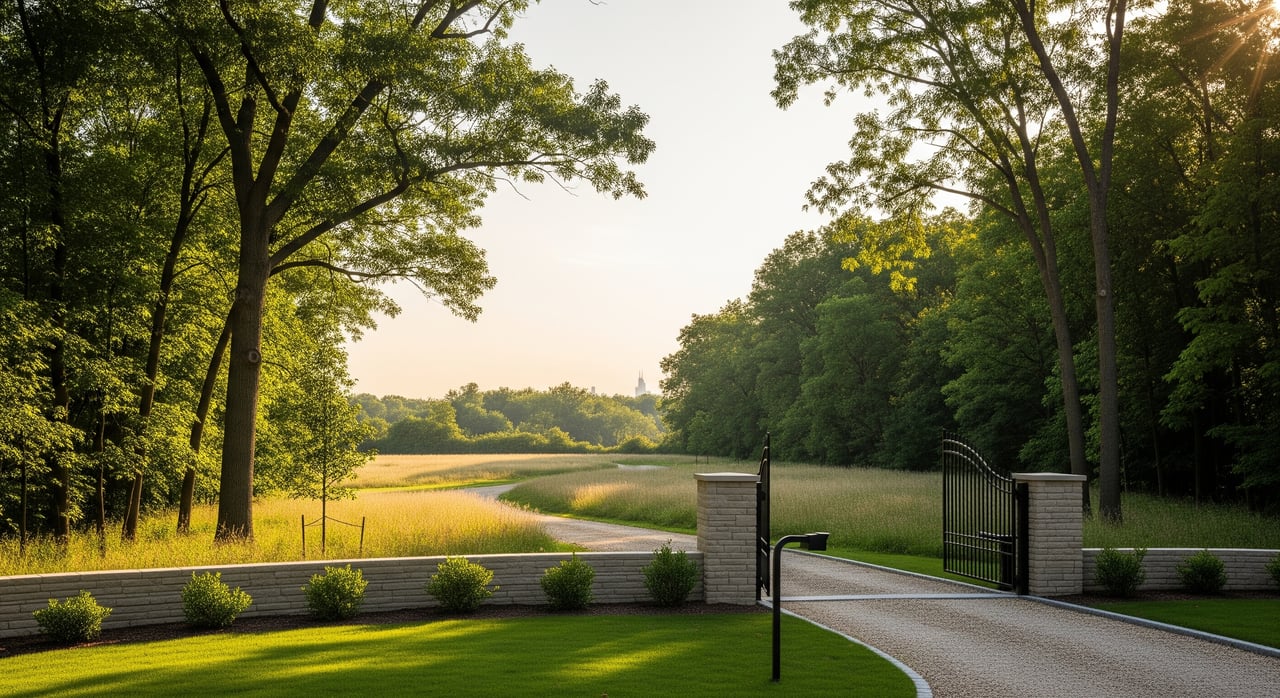
Dreaming of building a custom home tucked among the trees in Palos Park? You are not alone. Vacant lots here are limited, the setting is beautiful, and competition can be real. If you understand zoning, utilities, environmental constraints, and the permitting process, you can move fast with confidence. This guide gives you the key steps, common pitfalls, and local contacts to help you buy the right parcel and protect your budget. Let’s dive in.
Why Palos Park land is unique
Palos Park sits in southwest Cook County and is known for mature trees and nearby forest preserves. Many parcels are in established neighborhoods rather than large new subdivisions. That means vacant lots are relatively scarce and often have unique features.
Scarcity can increase competition and shorten decision timelines. Wooded sites and natural features can also increase site preparation costs and trigger tree or conservation rules. Plan for thorough due diligence before you write an offer.
Zoning and buildability basics
Zoning drives what you can build and where it can sit on the lot. The zoning district sets allowed uses, minimum lot size, setbacks, height limits, and lot coverage. If the property sits near a preserve or wetland, special restrictions may apply to clearing or grading.
Older subdivisions sometimes include nonconforming lots that predate today’s rules. Confirm you can build a standard home without a variance. Verify all details with the Village of Palos Park planning and building department and review county parcel data for context.
What to confirm
- Zoning district and permitted uses
- Minimum lot size, setbacks, and height and coverage limits
- Whether any conservation or special overlays apply
- If a variance is likely and what the process involves
Utilities and access
Start by confirming whether municipal water and sanitary sewer are available. Some neighborhoods have full service, while others may require a private septic system and possibly a well. If water or sewer is available, ask about tap fees, capacity, and the cost to extend laterals to your building site.
If a septic system is needed, a percolation test is typically required before a permit to install can be issued. If an existing system is on site, request inspection records. Replacement or upgrades can be a major expense.
Do not forget electric, gas, and telecom. Identify where lines enter the lot and whether they are overhead or underground. Confirm street access, who maintains the road, and whether you will need a driveway or curb-cut permit from the village.
Utility checklist
- Water and sewer availability, tap fees, and lateral locations
- Septic and well feasibility, permits, and perc test timing
- Electric, gas, and internet availability and service entry points
- Road access, maintenance responsibility, and driveway permit needs
Environmental and site constraints
Check floodplain status using FEMA flood maps for the specific parcel. Building in a floodplain can require elevation or mitigation and may be prohibited. If wetlands or jurisdictional waters are present, federal or state permits may be required and can reduce usable area or add time and cost.
Palos Park and nearby communities may have tree preservation rules. Heavily wooded lots often require permits to remove certain trees. Soils, topography, and groundwater conditions also influence foundation design, grading, drainage, and septic feasibility.
On larger or uncertain sites, consider contamination history. A Phase I Environmental Site Assessment can be prudent if the property has an unknown past or sits near former industrial uses. Local engineers, soil testing firms, and environmental consultants can guide you.
Environmental items to review
- FEMA floodplain status for the parcel
- Presence of wetlands, streams, or regulated waters
- Tree preservation requirements and potential mitigation
- Soil type, slope, groundwater levels, and drainage paths
- Any known or suspected contamination nearby
Permits, approvals, and timelines
Typical approvals may include building and grading permits, driveway or curb-cut permits, and water or sewer tap permits. If sewer is unavailable, you will need septic permits through the county health authority. Heavily wooded sites may also require tree removal permits.
If you need a variance for setbacks or coverage, plan for neighborhood notice and a hearing before the village’s zoning board. Simple, buildable lots with utilities can move through plan review in weeks to a few months, depending on plan completeness and village workload. Lots that need variances, septic approval, wetlands permits, or subdivision can take several months to more than a year.
Expect multiple inspections for foundation, plumbing, electrical, and final occupancy. If you plan to build soon after purchase, align closing, loan disbursements, and permit timing with your builder and the village.
Pricing, financing, and total budget
Vacant residential lots in inner-ring suburbs like Palos Park are less common than existing homes. Pricing depends on utility availability, lot size, topography, trees or wetlands, and location relative to public amenities. Sellers may price wooded or preserve-adjacent parcels based on their unique setting, while buyers should factor in clearing and site prep costs.
Lot loans and land financing usually require larger down payments, shorter terms, and higher interest rates than mortgages for existing homes. Lenders may ask for evidence of buildability and utility access. Construction loans can combine the lot purchase and the build, but they require detailed documentation and draw schedules. Cash buyers often have an advantage in competitive, low-inventory situations.
Budget beyond the purchase price. Include line items for clearing and grading, septic or sewer connections, utility taps, driveway and curb cut, potential tree mitigation, stormwater systems, and permit and impact fees.
Cost categories to include
- Survey, soils, perc test, and environmental studies
- Clearing, grading, and erosion control
- Septic or sewer connection, water service, and utility taps
- Driveway, culvert, and curb-cut permit fees
- Tree mitigation and stormwater management systems
- Village permit fees, impact fees, and inspection fees
A step-by-step due diligence plan
Buying land is a process. Use this sequence to protect your timeline and budget.
Before you make an offer
- Confirm zoning, permitted uses, and development standards
- Identify availability and locations of water, sewer, gas, electric, and telecom
- Obtain the legal description and a recent survey if available
- Review the plat, recorded covenants, and any HOA rules
- Check for easements and rights-of-way that limit your building envelope
- Review Cook County property tax history and any outstanding assessments
- Check floodplain status for the parcel
During your contingency period
- Order an ALTA or NSPS land survey to confirm boundaries and easements
- Schedule a perc test and septic feasibility review if sewer is not available
- Consider soil borings or a geotechnical report for uncertain soils or slopes
- Commission a wetlands delineation if there are signs of wet areas
- Consider a Phase I Environmental Site Assessment for sites with unknown histories
- Engage an arborist for a tree survey if the lot is heavily wooded
Permitting and approvals
- Meet with the Palos Park building and planning staff to confirm all required permits and fees
- If a variance may be needed, ask about timelines and success rates
- Coordinate with public works on water, sewer, and driveway approvals
Title and legal
- Obtain a title commitment and review all liens, mortgages, and covenants
- Consider owner’s title insurance for added protection
- For estate or complex sales, have a real estate attorney review documents
Budget and builder coordination
- Get preliminary site work estimates from local contractors
- Request septic or sewer connection quotes and maintenance expectations
- Add tap-in fees, permit fees, and potential variance costs to your budget
- Align closing, financing draws, and permit timing with your builder’s schedule
Closing and post-closing
- Confirm property tax prorations and any outstanding assessments
- Verify access and road maintenance responsibilities n- Secure temporary access or construction permits before equipment mobilizes
Common pitfalls to avoid
- Assuming water or sewer service exists when it does not
- Discovering easements that reduce your buildable area after you waive contingencies
- Overlooking wetlands or floodplain that limit the site
- Buying a lot that will not support a septic system due to soils or groundwater
- Relying on a private road without a recorded maintenance agreement
- Ignoring covenants or HOA rules that restrict your design or planned uses
- Skipping a survey or site visit on a heavily wooded or sloped lot
Who to call in Palos Park
- Village of Palos Park planning and building department for zoning, permits, grading, and driveway questions
- Cook County Assessor and Treasurer for parcel data, tax history, and outstanding assessments
- Cook County Recorder of Deeds for recorded plats, easements, and covenants
- Cook County Department of Public Health for private septic or well requirements
- Forest Preserve District of Cook County if the parcel is adjacent to or near preserves
- Licensed surveyor for an ALTA or NSPS survey
- Civil or site engineer for grading, drainage, stormwater, and septic feasibility
- Licensed septic contractor and well driller if applicable
- Arborist or tree consultant for heavily wooded sites and permit planning
- Real estate attorney experienced in land transactions
- Lenders that offer lot and construction financing
How we help you secure the right lot
You want a parcel that supports your vision without hidden surprises. Our team pairs deep local knowledge with a hands-on process to help you evaluate buildability, confirm utilities, and coordinate the right surveys and studies. We guide you on pricing, structure offers that protect your interests, and keep your timeline aligned with permits and financing.
For buyers and investors in Palos Park and nearby suburbs, we also help source opportunities, including private and off-market options when available. Our track record includes Top 1 percent production and more than $1 billion in combined career sales, which reflects our commitment to measured results and client-first service.
Ready to find the right lot and move forward with confidence? Connect with Christine Wilczek and Jason Bacza for local guidance, due diligence support, and access to opportunities that fit your goals.
FAQs
Can I build any house I want on a Palos Park lot?
- No. Zoning, setbacks, height and coverage limits, and any covenants or environmental constraints define what is allowed. Confirm details with the village.
What if the lot does not have sewer service?
- You will likely need a permitted private septic system. Plan for a perc test and county health approval, and budget for installation and ongoing maintenance.
Do I really need a current survey before I buy?
- Yes. A certified survey confirms boundaries, easements, and setbacks so you know your true building envelope and can avoid future disputes.
Are wetlands or trees likely to limit what I can clear?
- Possibly. Wetlands and streams can trigger permits and reduce usable area, and tree preservation rules may restrict removals. Get a wetlands check and a tree survey if needed.
How long will it take to get permits to build?
- Timelines vary. Simple, buildable lots can move in weeks to a few months. Lots needing variances, septic approval, or wetlands permits can take several months to more than a year.
Is land and lot financing available for Palos Park?
- Yes. Lot and construction loans are available, typically with larger down payments, higher interest rates, and more documentation than standard home mortgages.