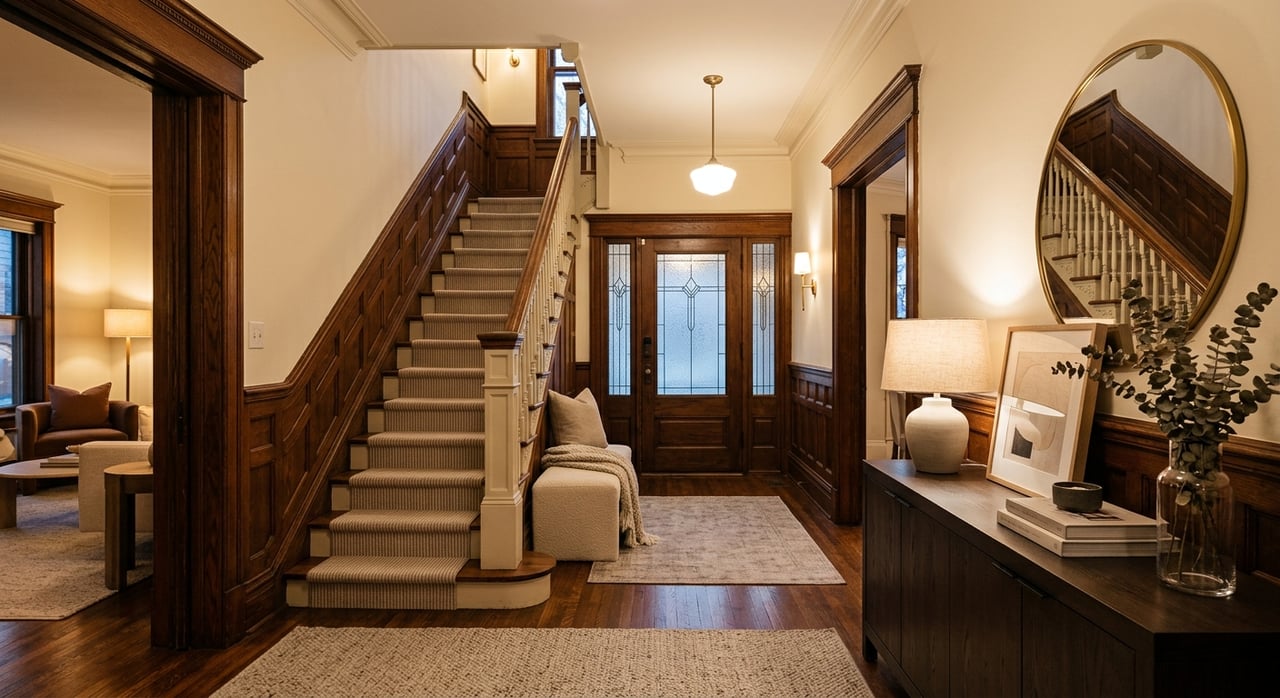
Wondering how to prepare a historic Hinsdale home without stripping away the very details that make it special? You are not alone. If you want to attract today’s buyer, the goal is not to make your home feel brand new. It is to help buyers see historic character, modern livability, and careful upkeep in one clear first impression. Let’s dive in.
Why historic character matters in Hinsdale
In Hinsdale, a historic home is more than an older property. It is often part of the village’s broader architectural story. Local preservation standards recognize the Downtown Hinsdale Historic District and the Robbins Park Historic District, with an emphasis on preserving historic character, craftsmanship, and compatibility with surrounding homes.
That context can shape how buyers view your home. In a market like Hinsdale, period details are not just decorative features. They can be part of the home’s identity and appeal when presented well.
The Robbins survey area shows how deep that history runs. It is one of Hinsdale’s oldest residential areas, made up of about 95% single-family homes on mature lots and tree-lined streets, with houses spanning more than 130 years and a broad mix of architectural styles.
What today’s Hinsdale buyers expect
Today’s buyers move quickly, but they also compare carefully. MRED’s May 2026 update for detached single-family homes in Hinsdale shows a median sales price of $1.775 million, average market time of 21 days, and 100.8% of original list price received. At month end, there were 38 homes for sale.
Those numbers point to an active, premium market. They also suggest that buyers are willing to pay when a home feels well positioned from the start. In that kind of environment, presentation matters.
National staging research helps explain why. In NAR’s 2025 Profile of Home Staging, 83% of buyers’ agents said staging made it easier for buyers to visualize a home as their future residence.
That matters even more for historic homes. Buyers are often deciding between properties with very different layouts, finishes, and levels of updating. If your home feels clean, bright, and easy to understand, buyers are more likely to appreciate its craftsmanship instead of seeing age as a challenge.
Start with presentation, not transformation
For most historic Hinsdale homes, the smartest preparation plan is restrained. Local preservation standards emphasize maintaining distinctive stylistic features, preserving craftsmanship, and keeping repairs and new work compatible with the home’s existing materials and character.
In simple terms, that means you usually do not need a dramatic overhaul to compete. You need a home that feels authentic, well maintained, and easy for buyers to picture themselves living in.
Focus on the highest-impact basics
According to NAR’s 2025 staging report, the most common seller recommendations were:
- decluttering the home
- whole-home cleaning
- improving curb appeal
These steps may sound simple, but they can have an outsized effect. Historic homes often have rich trim, built-ins, millwork, and layered room designs. When the home is crowded or visually busy, those details can get lost.
Let original features stand out
Your goal is to make period details easier to notice. That often means paring back furniture, editing collections, and removing seasonal décor so each room feels more open.
Neutral or softened wall colors and brighter lighting can also help. Rather than competing with the home’s architecture, these updates let original woodwork, windows, fireplaces, and craftsmanship become the focal points.
Bring in more natural light
Light changes how buyers experience every room. Cleaning windows and screens, removing heavy window treatments, and opening up sightlines can make a historic home feel fresher and more current.
This is especially helpful if buyers are touring several homes in a short time. A bright home tends to photograph better, show better, and feel easier to maintain.
Stage the rooms buyers notice most
If you are deciding where to spend time and energy, prioritize the spaces buyers respond to first. In NAR’s 2025 staging report, buyers’ agents identified the most important rooms to stage as:
- living room
- primary bedroom
- kitchen
That guidance fits historic homes well. These are the spaces where buyers tend to weigh comfort, function, and lifestyle most heavily.
Living room
The living room often carries some of the home’s strongest architectural personality. Fireplaces, moldings, built-ins, and window groupings can make a memorable impression.
Keep furniture scaled appropriately and arranged to show conversation space and flow. The room should feel inviting, but it should also allow buyers to notice the architecture.
Primary bedroom
Buyers want the primary bedroom to feel calm and comfortable. In a historic home, that may mean simplifying furniture, reducing personal items, and using soft bedding and balanced lighting.
A clean, restful setup helps buyers focus on space and livability. It also gives the home a more polished, updated feel without changing its character.
Kitchen
The kitchen can be one of the biggest questions in a historic property. Buyers often want charm, but they also want the room to feel functional and cared for.
You do not always need a full renovation to improve perception. Clean surfaces, reduced countertop clutter, better lighting, and a simple styling approach can help the kitchen feel more usable and current.
Curb appeal matters before the showing starts
Buyer expectations now begin online. NAR found that photos were important to 73% of buyers’ agents, and many buyers were expected to view a median of 20 homes virtually before buying.
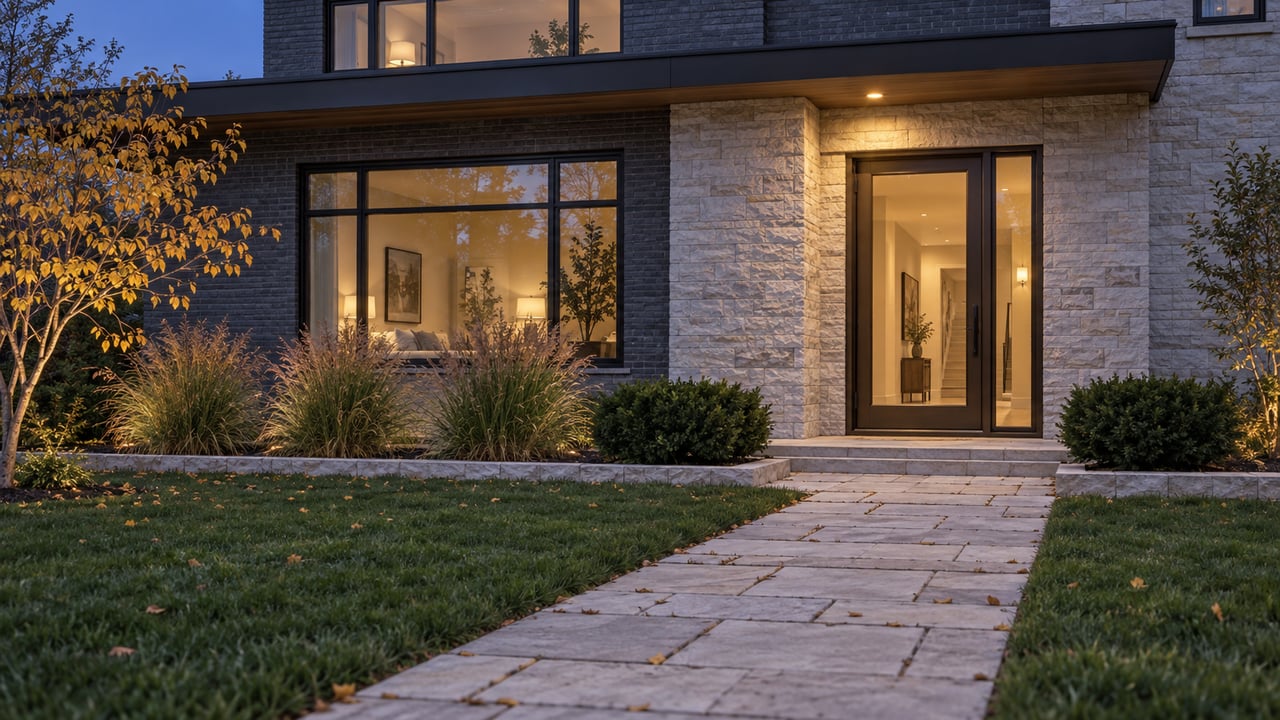
That means your exterior presentation works twice. It shapes the first online impression, and then it reinforces that impression when buyers arrive in person.
Easy exterior improvements
For many historic Hinsdale homes, the best exterior updates are low risk and high visibility:
- trim landscaping
- edge walkways
- clean gutters
- create a simple, welcoming entry
- keep outdoor areas tidy
These steps support the home’s architecture instead of distracting from it. They also signal ongoing maintenance, which is important for buyers evaluating an older property.
Be careful with exterior changes
If your property is within a designated Hinsdale historic district, visible exterior work may be subject to the village’s historic-preservation review process. That is an important step to understand before starting changes that affect the outside appearance of the home.
This does not mean preparation has to be difficult. It simply means planning ahead is wise, especially if you are considering updates to materials, features, or visible finishes.
Build a strong story around the home
A historic home often sells better when buyers understand what makes it meaningful. Good presentation helps buyers feel something. Good documentation helps them trust what they are seeing.
Hinsdale Historical Society says its archive includes thousands of photographs, records, files, directories, permits, plats, newspaper clippings, and other materials, and its staff can research a specific address. For sellers, that can be a valuable source of background information.
What to gather before listing
A useful documentation packet may include:
- approximate construction date
- historic plaque information, if available
- old photos, plats, or permit records
- names of original owners, architects, or builders, if known
- a dated list of improvements and maintenance items
- prior preservation awards, plaques, or research summaries
This information gives buyers context. It can also help shape listing copy, showing materials, and photo captions in a way that feels specific and credible.
Consider the plaque program
The Hinsdale Historical Society’s voluntary plaque program highlights the village’s architectural heritage. Homes that are at least 90 years old are eligible, and successful applicants receive a certificate, a bronze marker, and, if the Society completes the research, a written history of the building.
For some sellers, that can be a meaningful asset. It does not replace buyer due diligence, but it can support the home’s story and reinforce its place in Hinsdale’s architectural history.
Match historic charm with modern clarity
One of the biggest mistakes sellers make is treating a historic home like either a museum or a teardown. Today’s buyers usually respond best when the home feels preserved but still practical.
That means clear rooms, clean finishes, natural light, visible maintenance, and a layout buyers can understand. It also means preserving the details that give the home its identity instead of covering them up.
NAR’s 2025 findings show that many buyers expect polished presentation, and many are disappointed when homes do not match what they saw online. Historic homes are no exception. If anything, they benefit even more from thoughtful, honest preparation.
The bottom line for Hinsdale sellers
Historic character and modern buyer expectations do not have to compete. In Hinsdale, they can work together very well.
With detached homes selling in an average of 21 days in May 2026 and closing at 100.8% of original list price on average, the opportunity is clear. A historic Hinsdale home can stand out when it feels authentic, clean, lightly refreshed, and well documented.
If you are preparing a historic home for the market, the right strategy is usually not about changing everything. It is about showing buyers exactly why the home has endured, and why it still fits the way people want to live today.
When you are ready for expert guidance on pricing, presentation, and marketing, connect with Christine Wilczek and Jason Bacza.
FAQs
How should you stage a historic Hinsdale home for today’s buyer?
- Focus first on decluttering, whole-home cleaning, curb appeal, and staging key rooms like the living room, primary bedroom, and kitchen so buyers can easily visualize daily life in the home.
What updates help a historic Hinsdale home before listing?
- Low-risk improvements usually have the most impact, including neutral paint tones, brighter lighting, cleaned windows and screens, lighter window treatments, and tidy landscaping.
Do historic district rules affect exterior changes in Hinsdale?
- Yes. If your home is in a designated Hinsdale historic district, visible exterior changes may be subject to the village’s historic-preservation review process before work begins.
Why does documentation matter when selling a historic Hinsdale home?
- Documentation helps buyers understand the home’s age, architecture, and upkeep, and it can include old photos, permit records, plaque information, builder details, and a dated list of improvements.
Is a full remodel necessary to sell a historic Hinsdale home?
- Not usually. Many historic homes compete best when they preserve original character while presenting as clean, bright, well maintained, and easy for buyers to understand.