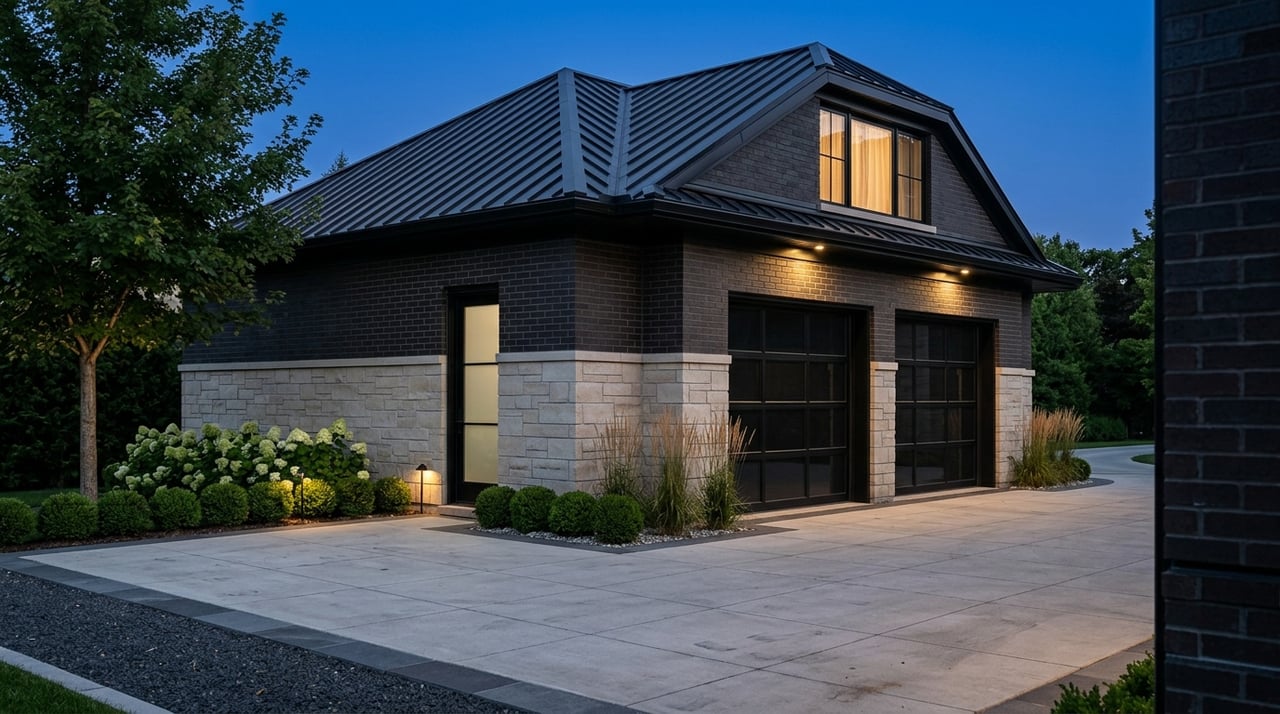
Pricing a one-of-a-kind property in Homer Glen can feel tricky. Estate homes, acreage, and custom amenities do not fit neatly into standard price bands. You want a number that attracts the right buyers, stands up to an appraisal, and reflects the time and care you have invested. In this guide, you will learn how appraisers think, how buyers compare Homer Glen to nearby suburbs, and the steps to defend your price with data. Let’s dive in.
Homer Glen luxury market at a glance
Homer Glen offers a semi-rural feel with convenient access to I-355, a mix that appeals to privacy-minded buyers who still value connectivity to the Chicago metro. You compete with nearby luxury nodes where buyers also shop, so understanding your place in the wider market is essential. For local context, the village’s community profile highlights the area’s low-density character and regional access.
MLS-based reports show Homer Glen’s 2025 average sale price for detached single-family homes around $592,900, with a median near $522,000. Nearby, Naperville’s median is about $699,500, Lemont’s median is about $625,000, and Burr Ridge trends higher. These benchmarks help you see where Homer Glen sits when buyers evaluate alternatives. You can review these town-by-town figures in the Mainstreet Organization of REALTORS® report summarized by Realstar’s MLS data compilation.
Homer Glen does see top-tier sales. Local reporting noted a December 2025 closing at approximately $1.33 million, which shows there is a buyer pool for estate-scale properties, although liquidity is thinner at that level. You can see that example in Shaw Local’s coverage of a recent high-end sale.
How appraisers value estates
Sales comparison is the anchor
For single-family homes, appraisers rely primarily on the Sales Comparison Approach. They select recent closed sales of similar properties, then adjust for differences in time, location, size, lot, quality, and amenities. For unique estates with few direct matches, they can expand the time window or use competing neighborhoods, but they must justify every adjustment. You can read the guiding principles in Fannie Mae’s appraisal guidance.
Cost approach as a reasonableness check
For very new custom construction or special-use improvements, appraisers may also use the Cost Approach. Local planning materials estimate high-quality build costs around $300 to $450 per square foot, which helps frame how certain improvements might contribute to value. See the town’s market assessment summary for context on costs in Homer Glen’s planning materials.
Income approach when income exists
If your property has a documented income component, such as a legal guest house with rental history, the Income Approach may be considered. Appraisers will analyze market rents and apply income techniques when evidence supports it. The requirements for using different approaches are outlined in Fannie Mae’s guidance for appraisers.
Size, amenities, and what counts
What square footage means to an appraiser
Appraisers follow ANSI Z765 when measuring above-grade living area. Finished space below grade, like a walkout basement, is reported separately and typically not counted in the above-grade number used for price-per-square-foot comparisons. Differences between MLS square footage and ANSI can create confusion. Clear floor plans and professional measurements keep your story consistent. See Fannie Mae’s update on measurement standards in the Appraiser Update.
How unique features are adjusted
Estate properties often include specialized amenities. Appraisers seek market evidence to value these items, and when evidence is limited, they proceed conservatively and explain the reasoning. Common items that may carry premiums include:
- Lot size and usability, privacy, and topography
- Above-grade living area and layout, bedroom and bath counts
- Quality of finishes, millwork, and custom cabinetry
- Pools or indoor pools, outdoor kitchens, sport courts
- Guest houses or accessory dwelling units
- Equestrian facilities, barns, extensive hardscape and landscape lighting
Understanding what appraisers look for can help you prepare proof. The Appraisal Institute’s consumer guidance explains how professionals document quality and unique features.
Positioning your Homer Glen estate against nearby markets
Choose comps with purpose
Start with closed sales from the last 6 to 12 months within your immediate market area. If your home is truly unique, expand to 12 to 24 months or reference nearby suburbs such as Naperville, Lemont, or Burr Ridge, but be ready to justify time and location adjustments. This is permitted when well supported, as noted in Fannie Mae’s appraisal guidance. For context on median and average prices across towns, see the MLS-based report.
When a direct match is unavailable, use paired-sale logic. For example, compare two similar sales, one with a pool and one without, then analyze the price difference net of other variables. Experienced appraisers and brokers use this method to support amenity adjustments.
Know your likely buyer and their financing
Buyers for estates in this region range from local move-up households to out-of-area purchasers seeking acreage, with some investor or second-home interest. This mix affects liquidity and time on market. Many top-tier buyers use jumbo financing or cash. Lenders may request appraisers who are comfortable with complex properties, so a pre-listing appraisal can reduce risk. For a deeper look at how appraisers treat unique features, review the Appraisal Institute’s overview.
Taxes, utilities, and land factors that shape price
Property taxes and assessments directly affect affordability and net proceeds. Homer Glen properties are assessed through Homer Township and Will County processes, with assessments typically set at about one-third of market value before exemptions. Pull your parcel’s assessment and tax history from the Homer Township Assessor portal and keep it in your pricing file.
Land and utility specifics can be decisive. Document septic versus sewer, floodplain or wetlands, easements, driveway access, and the share of acreage that is truly usable. Surveys, permits, and township or county records help you quantify these items and reduce appraisal questions.
Your pre-list pricing checklist
Use this list to prepare your valuation narrative and reduce appraisal risk:
- Gather a top-end comp set. Pull an MLS-based report for Homer Glen and competing towns, with 12 to 24 months of closed sales. Track prices, days on market, and feature photos. The Mainstreet/MLS summary is a strong starting point for town medians and averages.
- Get an ANSI-compliant floor plan. Hire professional measurement or request an appraisal-grade sketch so you can reconcile above-grade and below-grade areas. See an overview of ANSI adoption in Fannie Mae’s Appraiser Update.
- Compile improvement documentation. Organize permits, receipts, warranties, and contractor contacts for high-value items like kitchens, HVAC, roofs, pools, guest houses, and automation systems. The Appraisal Institute’s consumer page explains why proof matters.
- Consider a pre-listing appraisal or BPO. An opinion from an appraiser or broker experienced in estate properties can surface the right comps and strengthen your case with buyers and lenders. See the Appraisal Institute’s guidance for perspective on complex properties.
- Document land and utility details. Keep surveys, easements, floodplain or wetlands info, and septic or sewer records handy. The Homer Township Assessor portal can help you gather parcel-level facts.
- Prioritize smart updates. Use the NAR Remodeling Impact Report to guide spending. Target repairs and updates that influence first impressions and confidence, and be cautious with ultra-specialized luxury add-ons.
Smart renovation decisions before listing
Before you invest, confirm whether the project will help your valuation story or simply increase cost. Data from the NAR Remodeling Impact Report shows that curb appeal, exterior refreshes, and targeted kitchen or bath improvements often deliver stronger market response than highly specialized amenities. In the estate segment, buyers reward homes that feel move-in ready, safe, and well maintained.
Common pricing pitfalls to avoid
- Relying only on automated estimates. AVMs are useful for general trends, but for estates you need MLS-grade comps and photo-to-feature matches to capture true value.
- Counting finished basements as above-grade. Per ANSI, finished below-grade space is separate from above-grade living area. Keep your numbers consistent across marketing and appraisal.
- Ignoring land usability. Two acres with extensive wetlands or easements do not equal two acres of flat, buildable lawn. Price for usable land and privacy.
- Pricing against Naperville or Burr Ridge without parity. If you reference those markets, show comparable architectural quality, lot appeal, and finishes, then document any adjustments for location.
Bring your value story to life
A premium list price is earned, not guessed. Build a clear narrative that shows how your home compares, what your land and amenities contribute, and why buyers should pay a premium in Homer Glen. A pre-listing appraisal, professional measurements, and a curated comp set create confidence for both buyers and lenders. If you want expert guidance and a marketing platform built for estates, connect with Christine Wilczek and Jason Bacza to position your home for the strongest result.
FAQs
How do appraisers price unique Homer Glen estates with few comps?
- They start with the Sales Comparison Approach and may widen the time or geographic window with well-documented adjustments, as outlined in Fannie Mae’s appraisal guidance.
Do my finished basement and walkout level count toward square footage?
- Finished below-grade space is reported separately and not included in above-grade living area under ANSI; see Fannie Mae’s Appraiser Update for measurement standards.
How are guest houses or ADUs treated in valuation?
- Appraisers value accessory dwellings using market evidence for similar features, income data if applicable, or cost as a secondary check; the Appraisal Institute outlines how unique improvements are evaluated.
What build costs do appraisers reference for new custom improvements?
- For high-quality design in Homer Glen, planning materials reference about $300 to $450 per square foot as a planning benchmark; see the town’s market assessment summary.
Which pre-list updates usually help estate sellers most?
- Data suggests curb appeal, exterior refreshes, and focused kitchen or bath improvements often produce stronger buyer response than highly specialized luxury additions; review the NAR Remodeling Impact Report for guidance.