Timing your list date in Orland Park is not just a calendar decision. It can shape your price, days on market, and stress level. If you want a smooth sale and a strong outcome, you need a plan that matches local demand, weather, and your own timeline. In this guide, you’ll learn seasonal pros and cons, what to watch in Orland Park, and how to build a prep schedule that puts you in front of the right buyers. Let’s dive in.
What timing affects in Orland Park
Your list date influences how many buyers see your home and how fast quality offers arrive. Seasonal patterns are real, but local conditions matter more.
- Buyer demand ebbs and flows. Spring typically brings the most activity, while winter is quieter but can produce motivated buyers.
- Local market metrics drive pricing power. Active inventory, median sale price, days on market, and sale‑to‑list ratios in Orland Park should guide your timing and strategy.
- Daily life shapes buyer behavior. School calendars, holidays, commute patterns, and weather change how and when people shop for homes.
- Preparation sets your ceiling. Repairs, staging, and professional photos determine how well you compete when demand peaks.
Before you choose a month, confirm current inventory and days on market through local MLS/MRED reports or Illinois REALTORS summaries. That data, paired with your goals, will point to the strongest window.
Season-by-season in Orland Park
Spring (March–May)
Spring is typically the highest-traffic season. Families aim to move before the next school year, and outdoor spaces start to shine.
- Pros: More active buyers can create faster sales and occasional multiple-offer scenarios. Landscaping and light boost curb appeal.
- Cons: More listings mean more competition. You need sharp pricing and standout presentation.
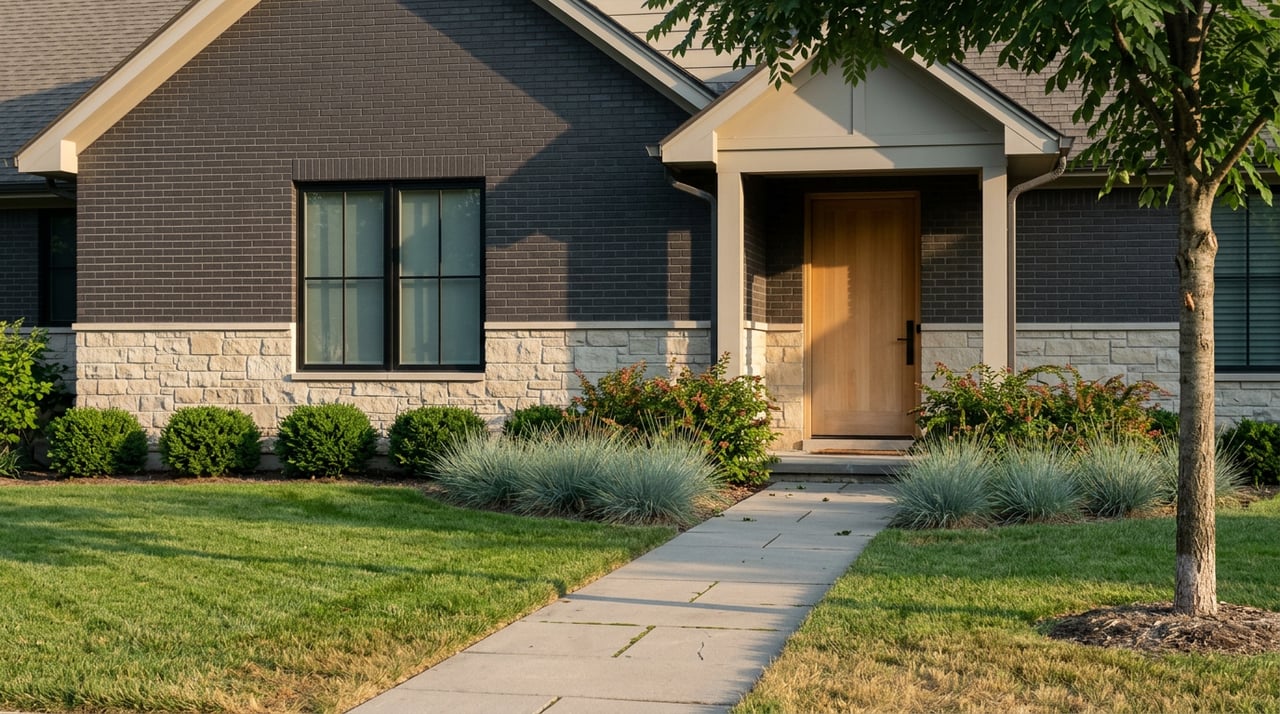
- Tactics: Be market-ready by early March if possible. Use professional photos, fresh paint, and tidy landscaping. Price competitively to capture peak online traffic.
Late spring to early summer (May–July)
Strong activity continues as buyers work to close before school starts.
- Pros: Long daylight and full landscaping help showings. Many buyers are decision-ready.
- Cons: Competition stays high. As vacations begin, urgency can soften in late June and July.
- Tactics: Keep momentum with well-timed open houses and strong digital marketing. Offer flexible closing dates to align with school schedules.
Late summer to early fall (August–October)
Once school is back, the buyer pool usually shrinks, but motivated shoppers remain.
- Pros: Less listing competition. Serious buyers can focus on well-presented homes.
- Cons: Lower overall traffic can lengthen days on market.
- Tactics: Highlight year-round features like finished basements, garages, and energy efficiency. Consider slightly more conservative pricing than spring peaks to attract committed buyers.
Late fall to winter (November–February)
Holidays and weather reduce showings, and the buyer pool is smaller.
- Pros: Active buyers are often highly motivated. Lower inventory can help a well-priced home stand out. Year-end financing or tax timelines may add urgency.
- Cons: Fewer showings and limited curb appeal. Scheduling can be challenging around holidays.
- Tactics: Prioritize warm, inviting interior staging and professional photography. Be realistic on pricing and negotiability. Offer virtual tours and focused showing windows.
Special local factors to weigh
School calendar and closings
If you want to attract family buyers who aim to move between school years, plan your list date so you can close by August. Account for inspections, appraisal, and lender timelines. That often means listing in spring or very early summer.
Holidays and travel
Short holiday weeks can reduce showings. If maximum exposure is your goal, avoid listing right before major holidays. A late-December or early-January launch can work if you target motivated buyers and limited competition.
Weather and curb appeal
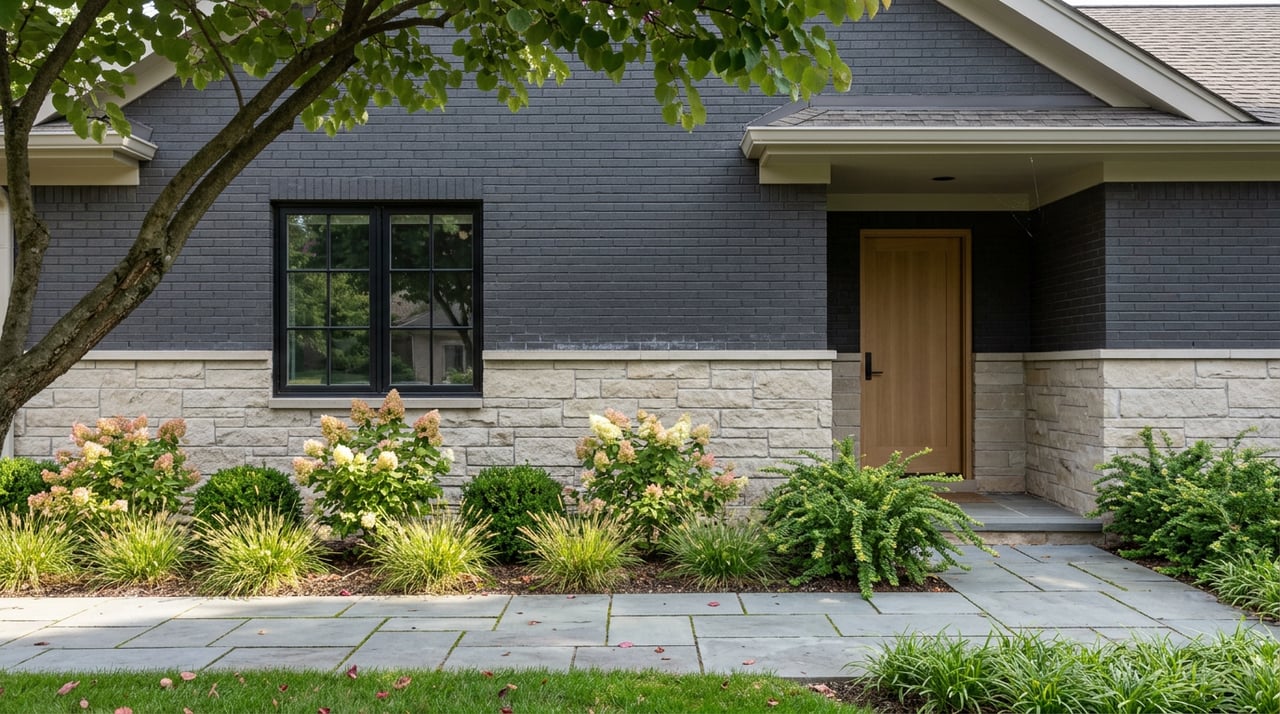
Winters in Orland Park can affect showings and exterior photos. Plan for snow removal, exterior lighting, and inviting interior staging. If you can capture exterior photos during a milder window, do it, even if you intend to list later.
Prep timeline and seller checklist
Your prep plan often decides your ideal list window. Work backward from your target season.
- 1–2 weeks (quick launch): If your home is already in excellent shape, you may only need staging and professional photos to go live.
- 3–8 weeks (standard prep): Typical repairs, decluttering, light updates, staging, and photography. This is the most common path.
- Several months (major updates): If you are renovating, aim to complete work by late winter to list into the spring surge.
Use this checklist to structure your run-up to market:
- Market analysis: Request a current comparative market analysis from a local expert to set expectations on price and timing.
- Repairs and touchups: Prioritize high-ROI items like paint, flooring refreshes, kitchen and bath fixes, and landscaping.
- Staging and photos: Stage rooms for flow and light. Schedule professional photos on a bright day. Capture outdoor shots when landscaping looks its best.
- Pre-listing inspection: Consider one to surface issues early and reduce surprises. This can speed closing and strengthen your negotiating posture.
- Pricing strategy: Decide whether to price aggressively to spark bidding, at market value for broad appeal, or hold for a different season if that better suits your goals.
- Marketing plan: The first one to two weeks are high-impact. Coordinate launch timing, digital exposure, broker previews, and open houses.
- Showing readiness: Aim for flexible showing windows in the early days, when interest is highest.
Picking your exact list date
Match your list date to your primary goal and current local metrics.
- Maximize price: Target spring or early summer if inventory is moderate and buyer activity is strong. Ensure top-tier presentation before you list.
- Minimize time on market: Launch into the highest-demand window you can hit. If you are already market-ready, consider an early spring or late spring date.
- Attract motivated buyers: A late fall or winter listing can work when inventory is tight. Plan for strong interior presentation and clear pricing.
For weekly timing, many sellers choose early-week launches, often Tuesday or Wednesday, to build visibility into the weekend. Confirm with your agent’s MLS experience and local buyer behavior. Coordinate open houses and private showings for peak availability.
Strategy examples
- You want top dollar in spring: Complete updates by late winter. Stage and photograph in early March. List mid to late March with market-competitive pricing and a strong opening weekend plan.
- You need a faster sale this summer: If you can launch by May or June, price in line with recent comparable sales and offer closing flexibility. Maximize daylight showings and outdoor spaces.
- You plan to list in January: Capture exterior photos during a mild December day and focus on warm, inviting interiors. Use focused showing blocks and be ready to negotiate reasonably if traffic is lighter.
Common pitfalls to avoid
- Listing before the home is market-ready. Rushed photos and unfinished projects can cost you traffic and negotiating power.
- Pricing like it is April when it is October. Seasonal buyer demand matters; align pricing with the current pool.
- Ignoring holidays. Launching right before a major holiday can limit early exposure.
- Skipping professional photos in winter. Quality visuals are even more important when curb appeal is limited.
- Inflexible showing windows. Early buyer interest is precious; make it easy to tour.
Your next steps
Choosing the right moment is not guesswork. It is a plan that blends your goals with local inventory, buyer behavior, and a polished presentation. If you want a data-backed strategy and premium marketing that puts your home in its best light, connect with a local team that knows Orland Park and the surrounding suburbs.
Ready to pick your ideal window and go to market with confidence? Reach out to Christine Wilczek and Jason Bacza to request a free home valuation and a tailored timeline for your sale.
FAQs
What is the single best month to list in Orland Park?
- There is no universal best month. Spring months often bring the most buyer activity, but your actual list date should align with current inventory, days on market, and your goals for price or speed.
How far in advance should I prepare my Orland Park home?
- Plan 3 to 8 weeks for typical repairs, staging, and professional photos. Major renovations can take months and should be finished before your target season.
Will a winter listing in Orland Park hurt my price?
- Winter has fewer buyers, but they are often highly motivated. With lower inventory and strong presentation, a well-priced winter listing can still perform well.
How does the school calendar affect Orland Park sales timing?
- Many families aim to move during summer break. To close by August, plan to list in spring or very early summer to allow time for inspections, appraisal, and financing.
Should I get a pre-listing inspection in Orland Park?
- A pre-listing inspection can reduce surprises, clarify repair decisions, and support a smoother closing, especially in competitive seasons.
What day of the week is best to list in Orland Park?
- Early-week launches, often Tuesday or Wednesday, can build exposure through the week and capture weekend showings. Confirm with your agent based on current MLS activity and buyer patterns.