Imagine starting your day on a quiet Main Street lined with limestone storefronts and church steeples, then hopping on a nearby train or heading to a trail along the canal. If you’re drawn to history, walkability, and small-business charm, historic downtown Lemont might be a fit. In this guide, you’ll learn what daily life feels like, the types of homes you’ll find, commute options, lifestyle trade-offs, and smart tips for buying in an older district. Let’s dive in.
Historic downtown at a glance
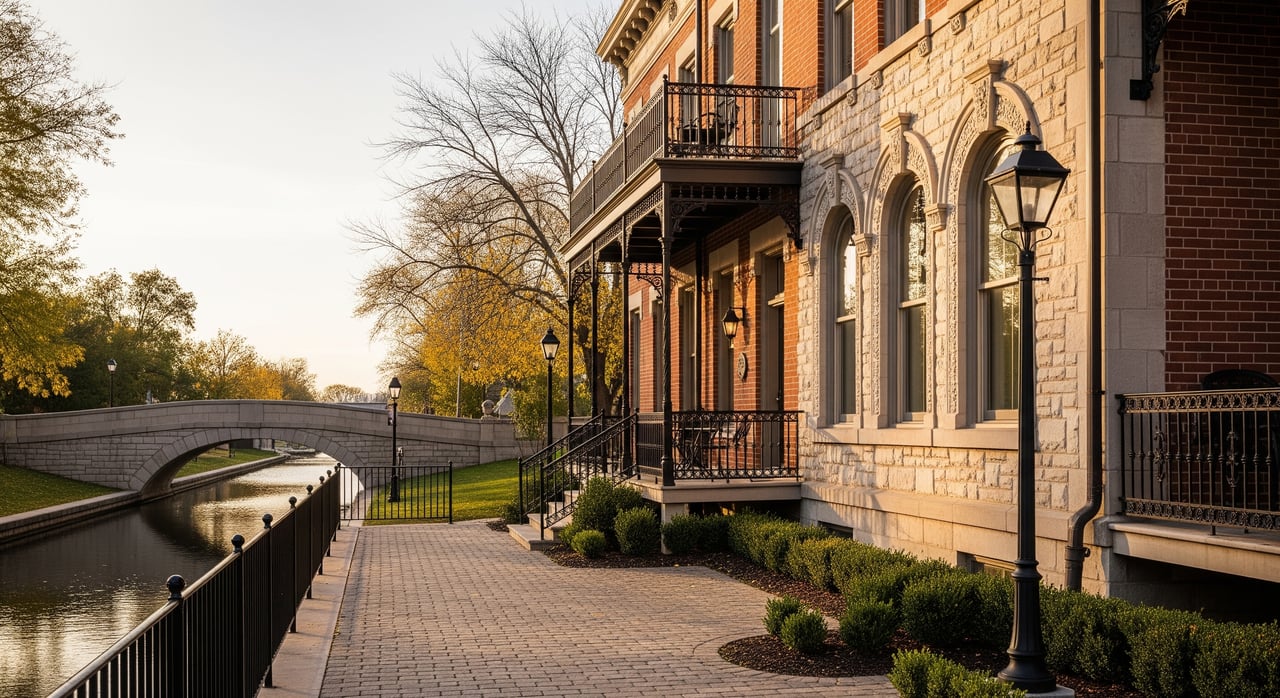
Historic downtown Lemont sits along the Illinois & Michigan Canal corridor. The core is compact, with small-scale storefronts, civic buildings, churches, and older residential blocks grouped within a short walk. You’ll notice cut limestone and classic masonry details throughout, a nod to Lemont’s 19th-century quarrying and canal era.
This sense of place is more than a pretty backdrop. It shapes how you live here. Streets are scaled for walking, the canal towpath brings nature close to town, and community events often center on Main Street. Argonne National Laboratory and other regional employers are nearby, which can influence commuting patterns and weekday rhythms.
Architecture and housing you’ll see
You’ll find a mix of historic single-family homes with Victorian, Italianate, and Queen Anne influences. Limestone trim and masonry are common. Smaller multi-family buildings, duplexes, and flats appear on side streets, and several commercial buildings include apartments above shops. A few converted spaces and newer infill homes or townhouses sit near the edges of the district.
Lots are generally smaller than in surrounding subdivisions. Setbacks are tighter, yards are modest, and some homes sit close to the sidewalk. In return, you get proximity to restaurants, cafés, and services. If you prefer larger yards and expansive floor plans, you’ll likely find those in nearby subdivisions built in the late 20th and early 21st centuries.
What to budget for on older homes
Older homes offer character, but they also need care. Build these items into your inspection and budget:
- Masonry and stonework, including tuckpointing and evidence of freeze-thaw wear.
- Roof age and flashing at chimneys or dormers.
- Windows and exterior doors for efficiency and condition.
- HVAC, electrical panel and wiring, and plumbing supply and waste lines.
- Insulation levels in walls and attic; opportunities for air sealing.
- Lead paint or asbestos considerations in older structures.
- Drainage around the foundation and any moisture in basements or crawl spaces.
Permits and preservation basics
Historic designation can guide what you can change on the exterior, signage, or additions. Expect design review for certain alterations, and plan for permit timelines. If you’re considering a renovation, contact the village’s building and historic preservation offices early. Ask about any local incentives or tax abatements that may apply to qualified rehabilitation projects.
Walkability and daily convenience
The downtown core supports daily errands on foot. Sidewalks, crosswalks, and short blocks make it easy to reach cafés, bakeries, boutiques, salons, and small professional offices. Street parking and municipal lots serve both businesses and residents, though rules can vary by block.
Grocery shopping is a mix. You may find small specialty options in or near downtown, while larger supermarkets and big-box retailers are typically a short drive away. Medical clinics, banks, and municipal services are either downtown or nearby elsewhere in the suburb.
A weekday morning in downtown Lemont
Picture this: a quick walk for coffee, then a short stroll to the Metra station for a peak-hour train on the Heritage Corridor. If you drive, major routes connect you to the rest of the Chicago area. Either way, downtown living trims the time between your front door and your first stop.
Weekend rhythms
The I&M Canal corridor is a signature amenity. The towpath offers space for running, biking, and evening walks. Seasonal festivals and heritage-themed events often land in the heart of downtown, bringing music, markets, and neighbors together. Brunch, a trail outing, and a stop at local shops make for an easy weekend loop.
Transit and commute options
- Metra: Lemont is served by the Heritage Corridor line with a station close to downtown. Service is oriented to commuter peak times, so check schedules when planning your routine. Parking is typically available via station or municipal options.
- Bus: Pace suburban service may be available in parts of the area, though routes and frequency are more limited than urban transit.
- Roads: Major state routes and nearby tollways provide access to the broader region. Drive times to downtown Chicago or other job centers vary by route and time of day.
Schools and essential services
Local public school districts serve Lemont, though boundaries can vary by address. Private or parochial options may be present in or near town. For the most accurate information on attendance zones and program details, review district websites and state education resources.
Regional medical centers and urgent care facilities are located in nearby suburbs and are accessible by car. When you relocate, it helps to map out your preferred providers, clinics, and pharmacies as part of your setup checklist.
Floodplain and insurance reminders
Properties near canals or rivers can fall within special flood hazard areas. Before you buy, review FEMA flood maps and local floodplain information, then confirm insurance requirements with your lender. On-site drainage, guttering, and grading are important to evaluate in inspections.
Downtown vs. subdivisions: what fits you
Here’s a quick way to match lifestyle with location:
- Downtown fits if you want strong walkability, historic character, apartment-over-shop energy, and direct access to trails and events. You’re comfortable with smaller lots and the care that older homes can require.
- Surrounding subdivisions fit if you prioritize larger yards, newer construction, cul-de-sacs, and more interior space. You prefer a quieter residential feel and a short drive to amenities.
Key trade-offs to consider:
- Space vs. proximity: Downtown means less lot size, more access.
- Maintenance vs. character: Older homes need updates and upkeep, but deliver unique details.
- Transit vs. frequency: The Metra station is close, though Heritage Corridor trains run less frequently than other lines.
- Community life: Downtown offers everyday street life and events, while subdivisions may center more around schools and neighborhood groups.
Parking and guest access
Expect a mix of on-street parking, small municipal lots, and driveways or alley garages where available. Some blocks may have time limits or resident rules, especially near the busiest stretches. If off-street parking is essential for you, make it a priority in your home search.
Cost-of-living checklist
Use this as a quick planning tool when evaluating homes downtown:
- Property taxes by county and parcel.
- Homeowner’s insurance, including any adjustments for older masonry structures.
- Utilities for older housing stock, plus the cost of efficiency upgrades.
- Renovation budget, including exterior masonry, windows, and mechanical systems.
- Commuting expenses by rail and car, including parking.
Moving forward
If the idea of limestone streets, canal-side trails, and small-business energy fits your life, historic downtown Lemont is worth a close look. A careful inspection and a clear renovation plan can set you up for success. When you’re ready to compare specific homes downtown and in surrounding subdivisions, our local insight can help you weigh the trade-offs and find the right fit.
Have questions or want a custom list of available and coming-soon properties? Connect with Christine Wilczek and Jason Bacza to talk strategy or request a Free Home Valuation.
FAQs
Is historic downtown Lemont walkable for daily errands?
- Yes. The compact core, sidewalks, crosswalks, and short blocks make it easy to reach cafés, shops, and services on foot.
What types of homes are common in downtown Lemont?
- You’ll see historic single-family houses with Victorian, Italianate, and Queen Anne influences, plus duplexes, small flats, and apartments above storefronts.
How does the Metra Heritage Corridor serve Lemont commuters?
- The station is near downtown, with service geared to peak commute times. Check current schedules and parking options as you plan your routine.
Do I need special permits to renovate a historic Lemont home?
- Some exterior changes in designated areas require design review and permits. Contact the village’s building and historic preservation offices early.
Is flood risk a concern near the I&M Canal in Lemont?
- It can be. Review FEMA flood maps and local guidance, then confirm insurance needs and evaluate on-site drainage during inspections.
How does downtown living compare to Lemont subdivisions for space?
- Downtown homes usually sit on smaller lots with less yard space but offer stronger walkability. Subdivisions tend to have larger lots and newer floor plans.