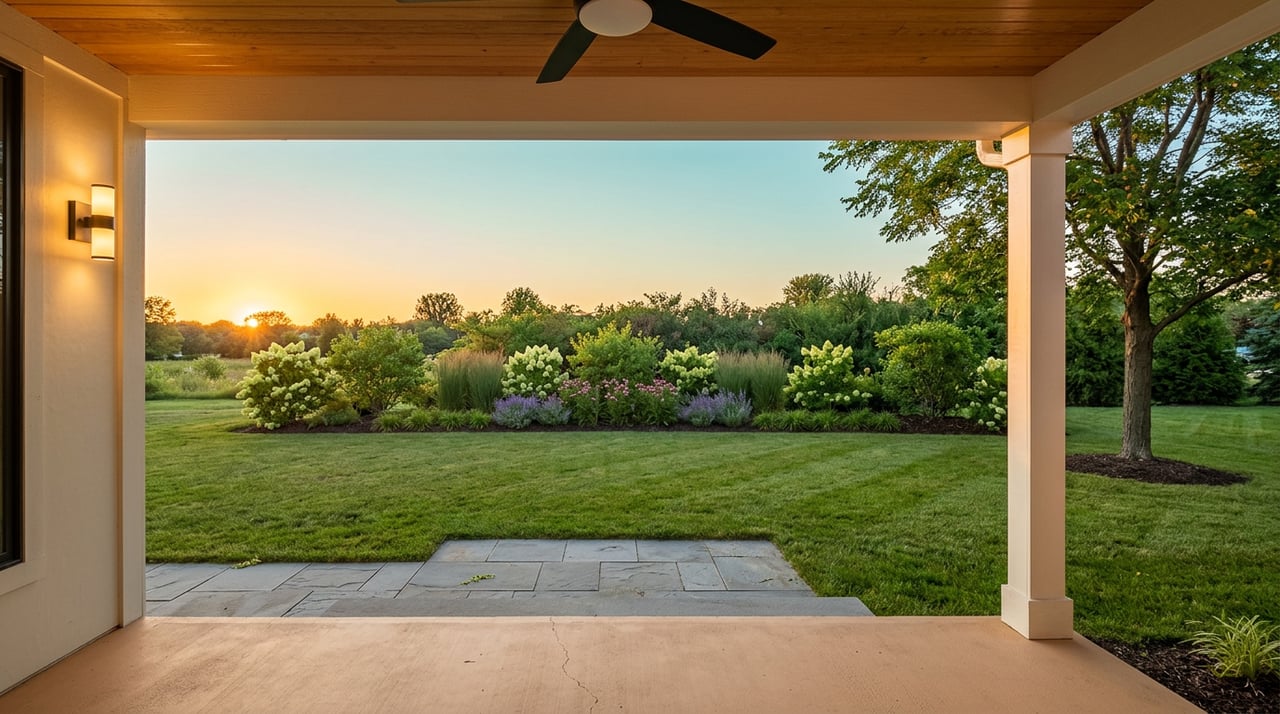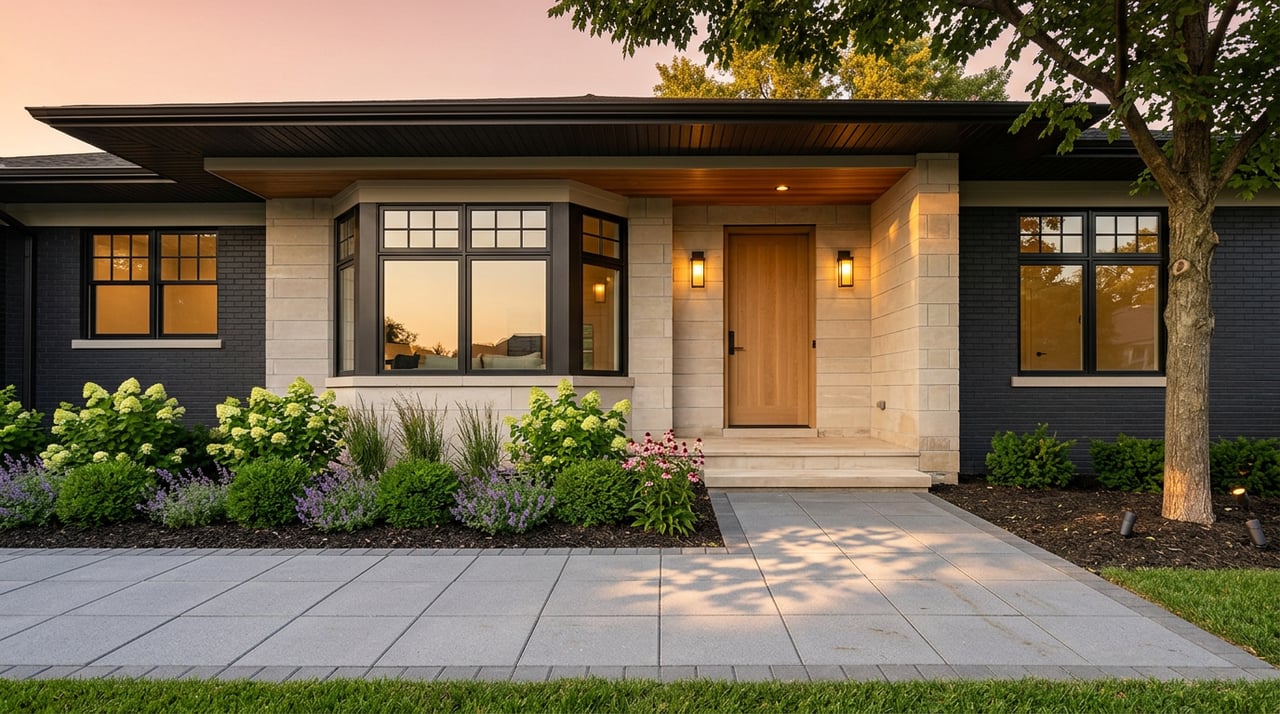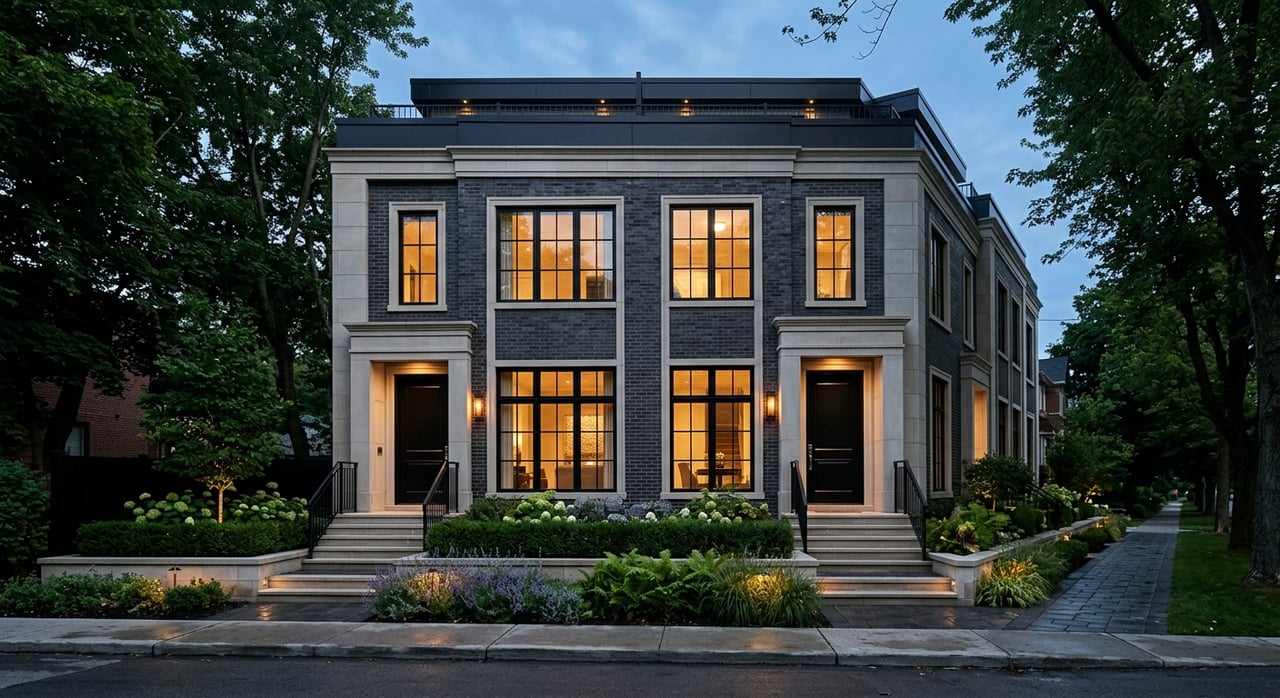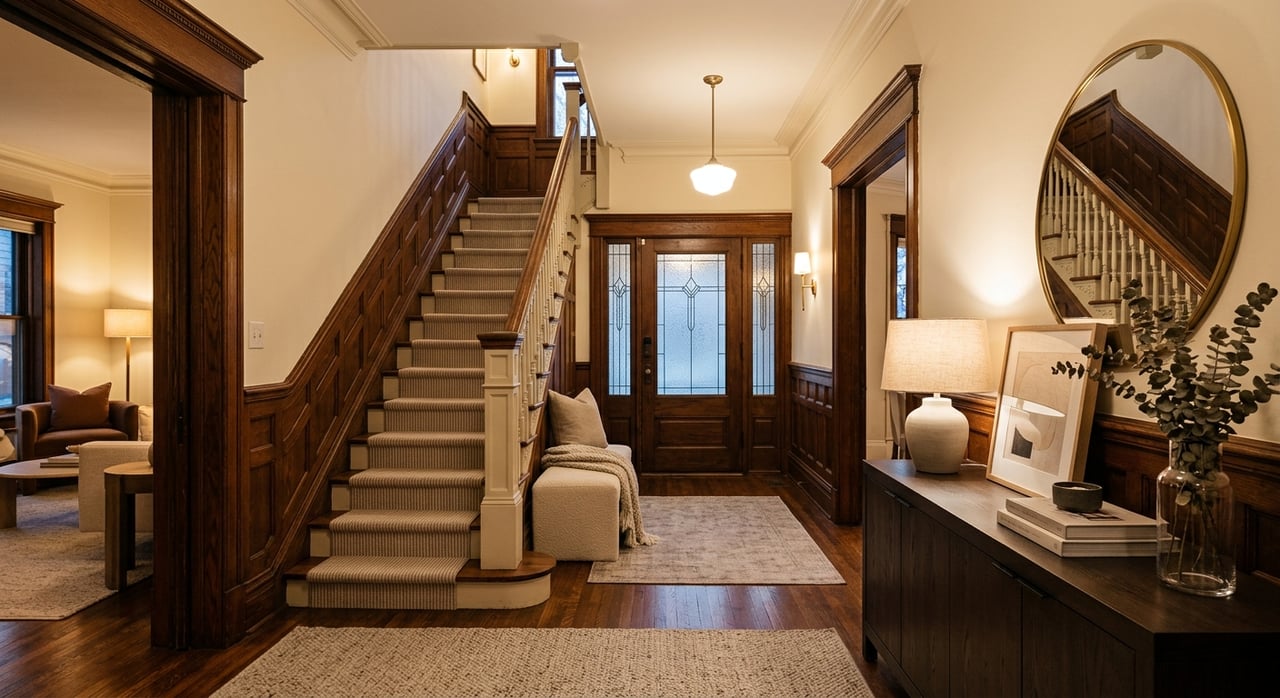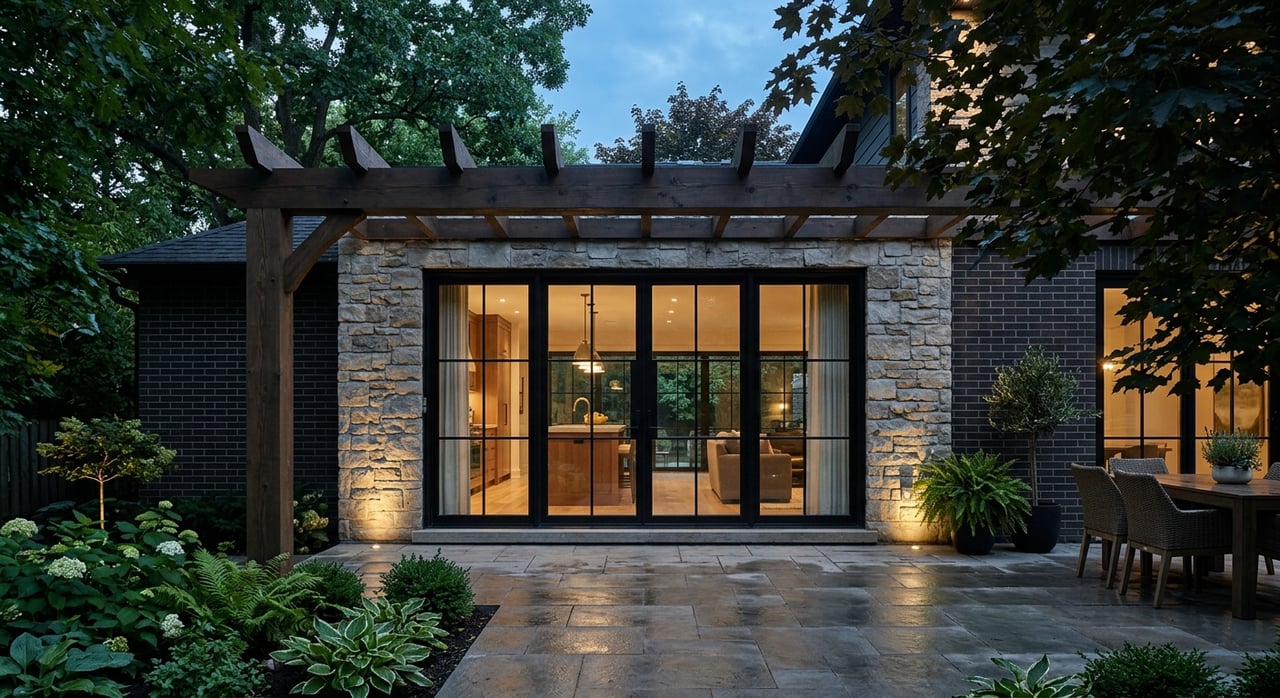
If your idea of home includes more trees, less turnover, and a calmer day-to-day pace, Willow Springs deserves a closer look. Buying in a quieter suburb can feel simple on the surface, but the right fit often comes down to housing stock, commute patterns, and how competitive the market really is. This guide will help you understand what makes Willow Springs appealing for a quiet retreat and what to watch for as you search. Let’s dive in.
Why Willow Springs Feels Quieter
Willow Springs is a small village with a population of 5,871, which helps create a more settled, residential feel. CMAP reports a median age of 45.4, which is older than the broader regional median of 38.4. That points to a community that feels established rather than fast-changing.
The housing pattern also supports that quieter atmosphere. Census QuickFacts shows an 84.6% owner-occupied housing rate, and CMAP reports that 91.9% of residents lived in the same house one year earlier. For you as a buyer, that can translate into lower turnover and a more rooted feel from block to block.
Open Space Adds Breathing Room
One reason Willow Springs stands out is its land-use mix. CMAP’s 2020 inventory shows that 17.1% of the village is open space and 19.8% is vacant land. That helps the area feel less built out than many nearby suburbs.
If you want a preserve-adjacent lifestyle, that matters. The setting is not fully dense or overly urbanized, which can be a real advantage when your goal is a home base that feels more peaceful and tucked away.
What Homes in Willow Springs Look Like
If you are picturing a detached home with some yard space, you are looking in the right place. CMAP reports that 62.5% of Willow Springs homes are single-family detached, while 17.4% are single-family attached and 10.2% are in buildings with 20 or more units. In practical terms, detached homes make up the bulk of the market.
That does not mean every home will feel the same. Because the village has a mature housing base, you will likely see a mix of styles, lot sizes, updates, and levels of maintenance. This is a market where it pays to compare homes carefully rather than assume one price point buys the same condition every time.
Willow Springs Home Age Matters
The median year built in Willow Springs is 1977, according to CMAP. The village also has 9.9% of homes built before 1940, 27.3% built from 1940 to 1969, and 31.3% built from 1970 to 1989. That means a large share of the housing stock is older, even when homes have been renovated.
For you, this mainly affects due diligence. Older homes can offer charm, mature lots, and established streetscapes, but they also deserve a closer look during inspections. In Willow Springs, inspections are not just a formality. They are a key part of buying smart.
What You Might Pay
Current pricing signals place Willow Springs in the high-$300,000s to mid-$400,000s, depending on which metric you use. Census QuickFacts lists the median owner-occupied home value at $378,300. Zillow’s typical home value was $395,788 as of May 31, 2026, Redfin reported a median sale price of $387,268 for the three months ending May 2026, and Realtor.com reported a median listing price of $460,000 in March 2026.
That spread tells you something important. Asking prices and closed prices are not always the same, so you should not assume every listing will trade at full ask. At the same time, this is not a market where buyers can move slowly without risk.
What Carrying Costs Can Look Like
When you think about affordability, the purchase price is only part of the picture. Census QuickFacts shows a median monthly owner cost of $2,321 with a mortgage and $1,010 without one. Those figures offer useful context when you build your budget.
For a quiet-retreat buyer, staying comfortable financially matters just as much as finding the right setting. A home that feels peaceful is a better fit when the monthly cost also feels manageable for your long-term plans.
How Competitive the Market Is
Willow Springs appears to be competitive, but not overheated across the board. Redfin described the market as somewhat competitive and reported a 97.8% sale-to-list ratio, with 18.8% of homes selling above list price, 17.5% seeing price drops, and a median of 50 days on market. Realtor.com also reported a 97% sale-to-list ratio in March 2026.
Inventory is limited, which can keep pressure on well-priced homes. Zillow showed 16 homes for sale at the end of May 2026, while Realtor.com showed 23 homes for sale in March 2026. For you, that means being prepared matters, but panic buying does not.
A Smart Offer Strategy for Buyers
In this kind of market, your best approach is prepared but measured. You should be preapproved, ready to tour quickly, and clear on what trade-offs you are willing to make. When a home is priced well and lines up with what buyers want, it may move fast.
At the same time, some homes sit longer or need price reductions. That creates room for negotiation in certain cases. A disciplined strategy usually works better than an overly aggressive one, especially when you are trying to protect your budget and your due diligence.
Inspection Items to Prioritize
Because Willow Springs has a meaningful share of older homes, inspections should be specific and thorough. General inspection items are important, but so are age-related issues tied to the property’s build year and condition. You want a clear picture of the home before you commit.
Here are a few items to keep front and center:
- Overall condition of major systems and structural components
- Signs of deferred maintenance or aging materials
- Renovation quality in older homes
- Radon testing
- Lead paint disclosures and inspection timing for qualifying pre-1978 homes
Lead Paint Rules for Older Homes
If you are considering a home built before 1978, lead paint disclosures should be part of your process. The EPA states that the Lead-Based Paint Disclosure Rule applies to most pre-1978 private housing. Buyers of most pre-1978 homes have the right to know whether lead-based paint or related hazards are present before signing a contract.
The same rule also requires sellers to provide a 10-day period for a paint inspection or risk assessment. In a village with a mature housing base, this is not a minor detail. It is a practical step that can help you make a more informed decision.
Why Radon Testing Matters in Illinois
Radon belongs on your Willow Springs checklist. The Illinois Department of Public Health says central and northern Illinois have shown higher radon levels in soil, and that 41% of Illinois homes tested had levels above the 4.0 pCi/L action level. It also notes that testing is the only way to know a home’s radon level.
Illinois also requires certain disclosures in real estate transactions. The Illinois Emergency Management Agency states that sellers must provide the approved radon pamphlet and the Illinois Disclosure of Information on Radon Hazards. For you as a buyer, that makes radon testing a routine but important part of protecting your investment.
Commuting From Willow Springs
A quiet retreat does not have to mean disconnected. Willow Springs has commuter infrastructure, but it helps to understand how it works in real life. According to the Village of Willow Springs, the Heritage Corridor line runs from Joliet to Union Station in Chicago, Metra operates and maintains the station, there is no weekend service on the line, and daily parking at the station is $2.25.
That is useful if you want rail access, but it is not a one-size-fits-all commuter option. CMAP reports that 80.8% of workers drive alone, 6.4% carpool, and 12.3% work from home, with a mean commute time of 25.8 minutes. For most buyers, road access will matter just as much as the train.
Outdoor Access Is Part of the Lifestyle
For many buyers, the strongest case for Willow Springs is not just the housing. It is the access to open space and trails that supports a quieter routine. The Forest Preserves of Cook County identifies access in this area via Archer Avenue, LaGrange Road, and 95th Street, with regional access from I-55 to US-12 or LaGrange Road to 95th Street.
The same area also connects to the Cal-Sag, John Husar I&M Canal, and Centennial trail systems. That kind of preserve and trail access can shape how a place feels on a daily basis, especially if your version of a retreat includes walks, biking, or simply living near more natural surroundings.
A Nature-Oriented Landmark Nearby
The nearby Little Red Schoolhouse Nature Center adds to Willow Springs’ identity as a preserve-adjacent community. It is located at 9800 Willow Springs Road, just south of 95th Street. For buyers drawn to a quieter setting, that nearby nature presence reinforces the area’s overall character.
This does not change the fundamentals of your home search, but it does help explain why Willow Springs often appeals to buyers who want a little more breathing room. In a suburban market, that kind of setting can be a meaningful differentiator.
Is Willow Springs Right for Your Quiet Retreat?
If you want a lower-density suburb with mostly detached homes, established housing, and strong access to preserves and trails, Willow Springs checks a lot of boxes. The village combines a settled residential feel with price points that often land below nearby list-price expectations, while still rewarding buyers who are ready to act.
The trade-off is that many homes are older, so your inspection and disclosure strategy needs to be solid. If you go in prepared, Willow Springs can offer the kind of calm, grounded home base that many buyers are looking for right now.
If you are considering Willow Springs and want local guidance on pricing, available homes, and offer strategy, connect with Christine Wilczek and Jason Bacza. Their team brings deep suburban market knowledge, responsive service, and data-backed negotiation support to help you buy with confidence.
FAQs
What makes Willow Springs appealing for buyers seeking a quiet retreat?
- Willow Springs offers a small-population village setting, high owner occupancy, low turnover, meaningful open space, and strong access to preserves and trails.
What types of homes are most common in Willow Springs?
- Single-family detached homes are the most common, making up 62.5% of the housing stock, according to CMAP.
What is the typical home price range in Willow Springs?
- Recent pricing metrics place Willow Springs generally in the high-$300,000s to mid-$400,000s, depending on whether you look at owner value, sale price, or listing price data.
How competitive is the Willow Springs housing market for buyers?
- The market is somewhat competitive, with a roughly 97% to 97.8% sale-to-list ratio, some homes selling above list price, and others seeing price reductions.
Why should buyers in Willow Springs pay attention to home inspections?
- Willow Springs has a mature housing base with many older homes, so inspections can help you evaluate major systems, condition, renovations, radon, and other age-related issues.
What should buyers know about radon testing in Willow Springs, Illinois?
- Illinois authorities say radon levels can be higher in central and northern Illinois, and testing is the only way to know a home’s level during your purchase process.
What should buyers know about commuting from Willow Springs?
- Willow Springs offers access to the Heritage Corridor line, but there is no weekend service, so many residents rely on driving and road access for daily commuting.
What outdoor features support the Willow Springs lifestyle?
- Nearby preserve access, trail connections, and the Little Red Schoolhouse Nature Center help support a quieter, nature-oriented lifestyle in and around Willow Springs.