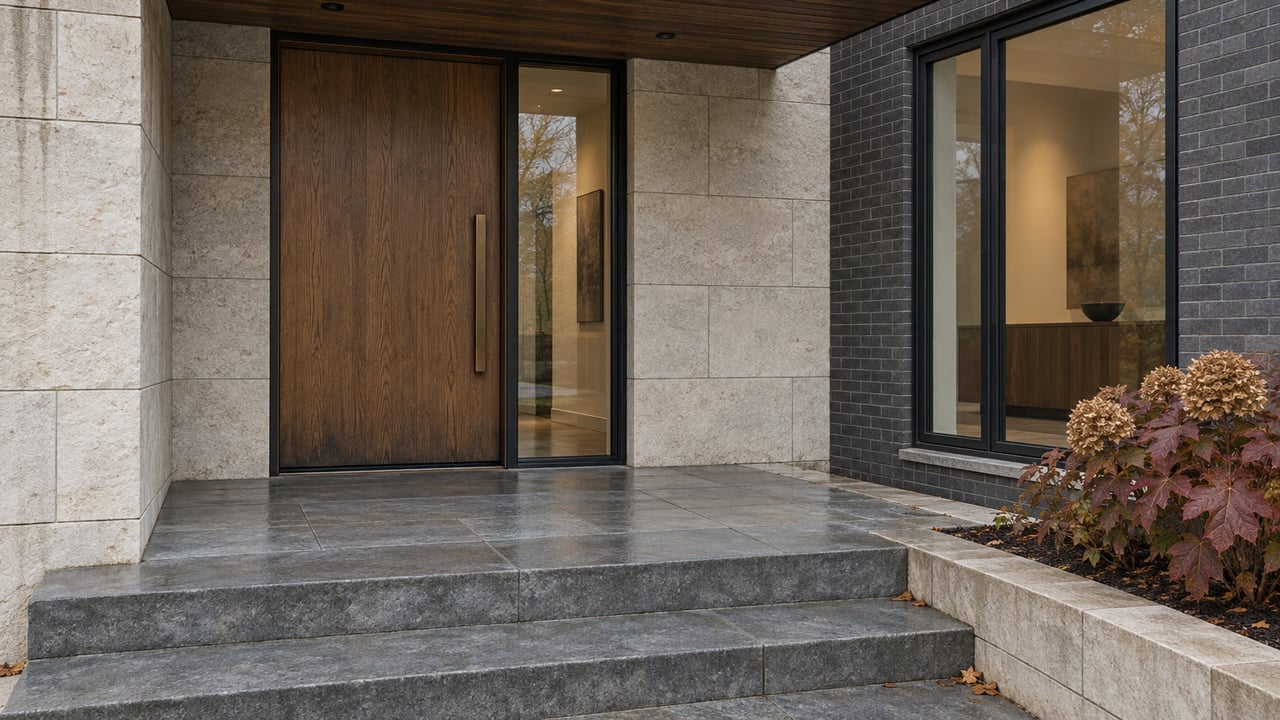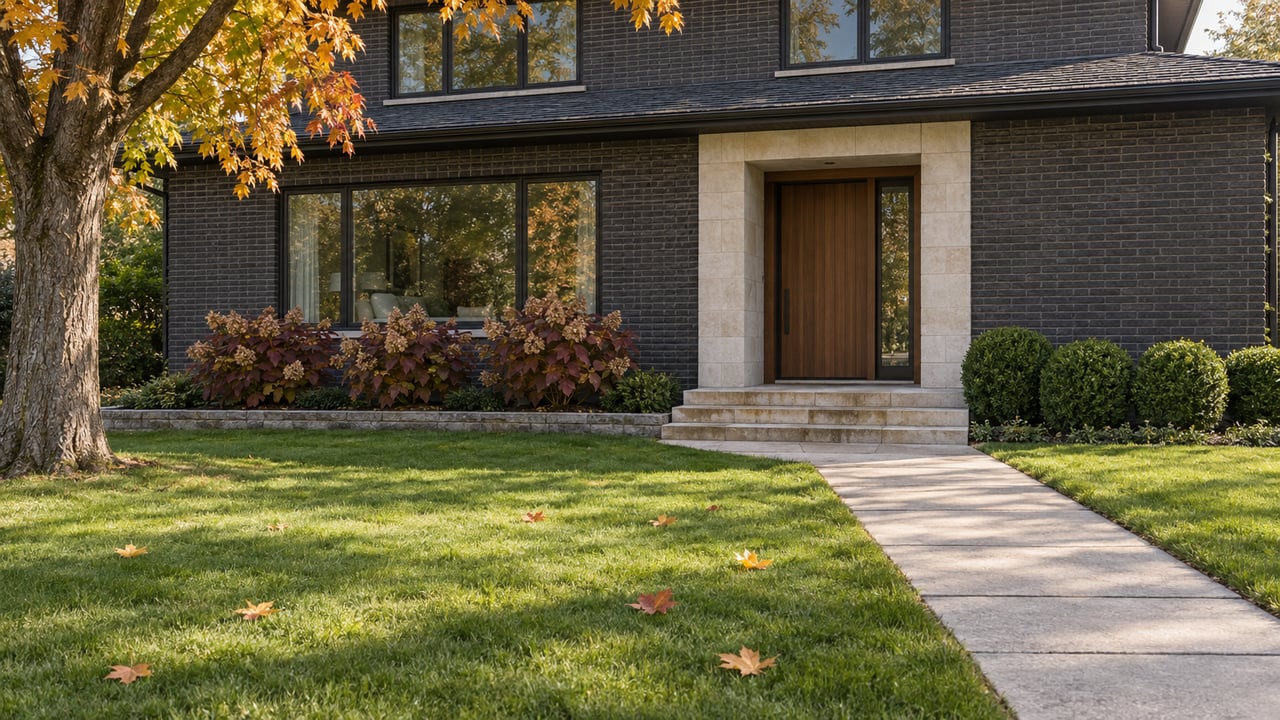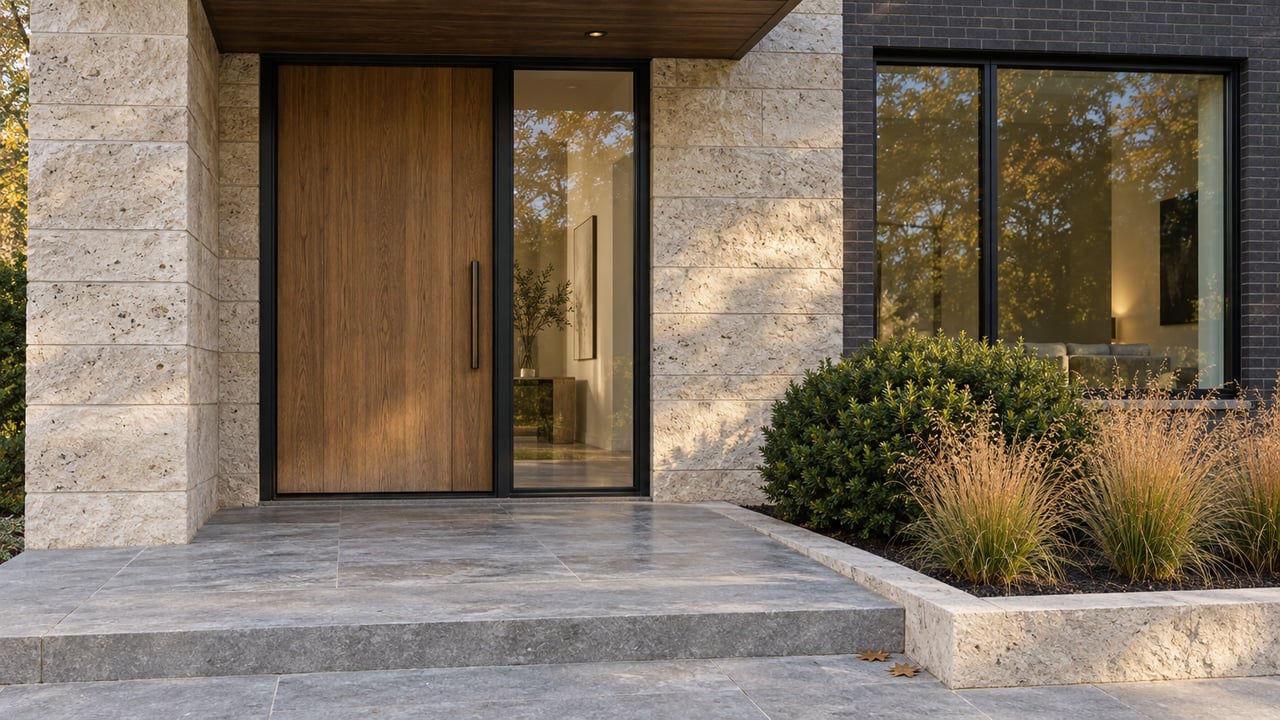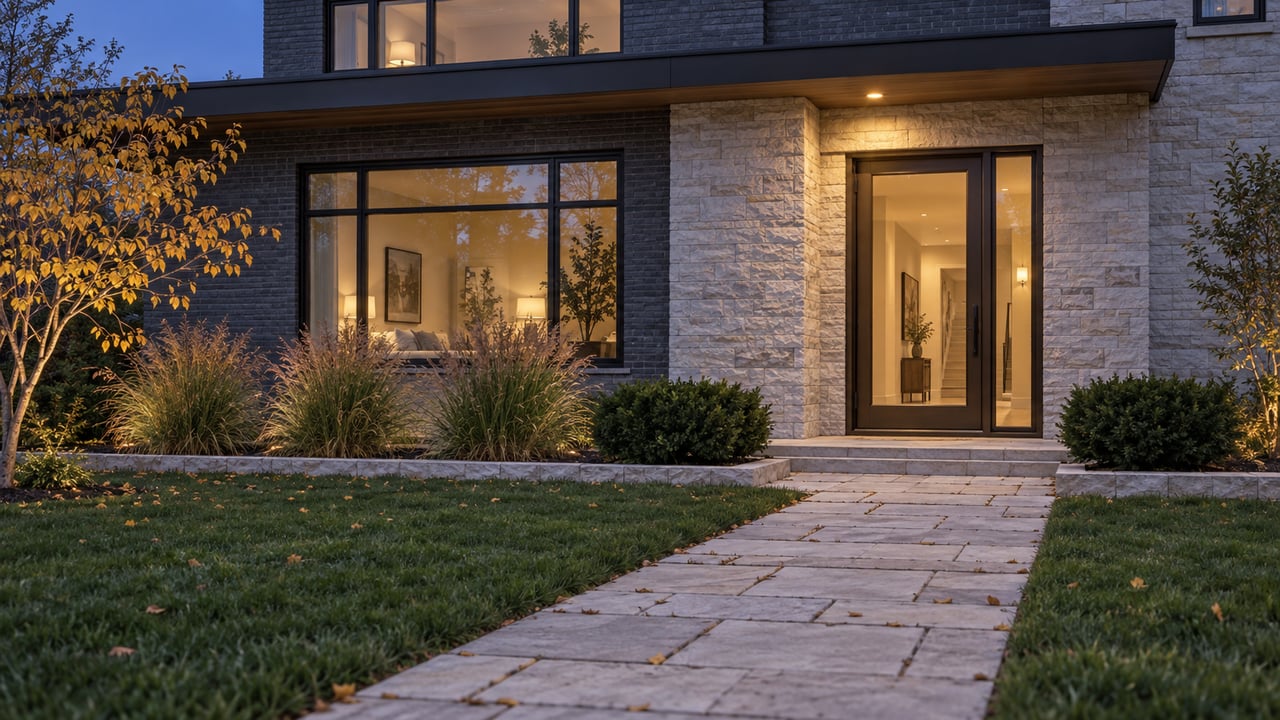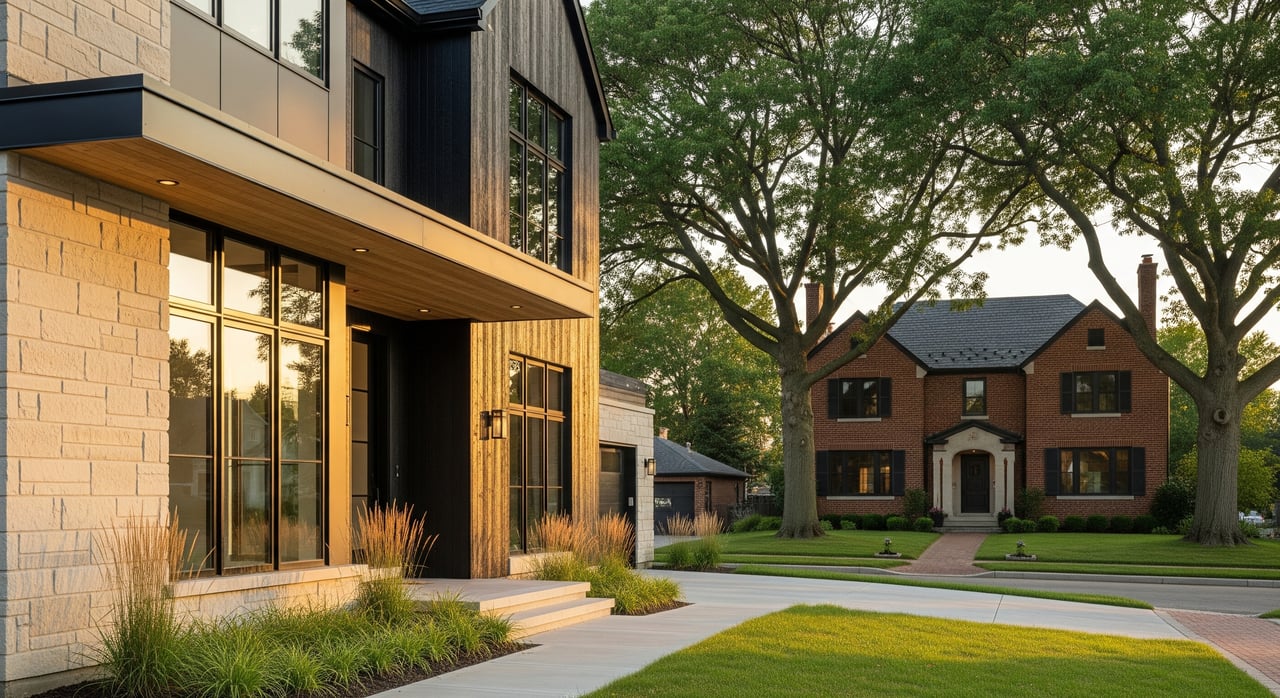
Torn between a brand-new build and an existing home in Homer Glen? You’re not alone. Each path offers real benefits, from energy savings and modern layouts to mature neighborhoods and potential pricing power. In this guide, you’ll learn how costs, timelines, warranties, and resale potential stack up, plus the local checks you should complete in Homer Glen before you decide. Let’s dive in.
New construction vs. existing: the quick take
New construction typically offers lower near-term maintenance, energy-efficient systems, and the chance to select finishes. Builders may also provide incentives that reduce your effective price. Existing homes often come with lower upfront costs, mature landscaping, and more room to negotiate based on condition and comparable sales.
Your best choice depends on your budget, timeline, and how much you value customization versus neighborhood maturity. The sections below walk you through the key tradeoffs specific to Homer Glen.
Price and total cost in Homer Glen
New construction usually has a higher base price per square foot, but builders may offer incentives like closing cost credits, interest rate buydowns, or design upgrades. Those incentives can narrow the price gap when you look at the full package.
Existing homes often provide more room for negotiation. If the home needs updates or system replacements, you can target price adjustments or closing credits to offset those costs.
Think in terms of total cost of ownership. Newer homes typically mean lower near-term maintenance and utility bills because of updated HVAC, insulation, and windows. Older homes may have a lower purchase price but could require immediate investments in roofs, furnaces, or appliances. For taxes and assessments, verify records with the Will County property portals before you write an offer.
Timelines and transaction steps
New construction timelines typically range from several months to 12 months or more, depending on lot availability, weather, and builder scheduling. Expect steps like lot reservation, contract, design selections, phased inspections, a final walkthrough, and a detailed warranty handoff.
Financing for a new build may involve a construction-to-permanent loan or a builder-arranged mortgage. That can add paperwork and upfront fees, so confirm the path early with your lender and builder.
Existing-home purchases usually close in 30 to 60 days after contract, subject to inspection, appraisal, underwriting, and title work. If you have a specific move-in date, build in buffers for either route.
Inspections and warranties
Even with new construction, independent inspections are worth it. Schedule at least a pre-drywall and a final inspection to catch workmanship items before closing. Builders often provide limited new-home warranties with defined coverage periods. An example of a third-party warranty provider is 2-10 Home Buyers Warranty. Always review your builder’s exact terms and claim procedures.
For existing homes, plan a comprehensive home inspection and consider specialized tests like radon, sewer scope, termite, and any additional evaluations your inspector recommends. Illinois has known radon potential in many areas, so include testing. You can learn more from the Illinois Department of Public Health radon information.
Customization and design
New builds let you choose floor plans, finishes, and upgrades within the builder’s catalog. You’ll see modern layouts with open living areas, larger kitchens, and energy-saving features baked in. Remember that change orders can add cost and time.
Existing homes may limit your immediate customization, but you can renovate over time. Many buyers value the character, established trees, and finished yards that are common in mature Homer Glen neighborhoods.
Neighborhood maturity and amenities
New subdivisions in Homer Glen may continue to add amenities over several phases. Early buyers might see fewer established trees and less mature landscaping until the community fills in. Confirm plans for sidewalks, parks, and future phases with the builder and the village.
Existing neighborhoods offer known traffic patterns, completed infrastructure, and finished streetscapes. You can also gauge proximity to parks, shopping, and the major commuting corridors that serve the area. Homer Glen residents often rely on nearby I-355 and I-80 for regional access.
Resale and appreciation
Newer homes can attract future buyers with modern layouts and efficiency. That said, if additional units are built nearby, you may face competition from similar product when you sell.
Existing homes can benefit from larger lots, unique features, and mature neighborhoods that show consistent demand. Renovations done cost-effectively can boost resale value. No matter what you choose, analyze recent local comparable sales rather than broad national trends.
Taxes, insurance, and assessments
Property taxes are typically based on assessed value. New homes may see different initial assessments, and appeals could be possible. Confirm current assessments and recent sales through Will County.
Insurance premiums can be lower initially on new homes because systems and materials are new, but pricing also depends on site-specific risks like flood or sewer backup. Check flood zone status on the FEMA Map Service Center and ask your insurance provider for quotes early in the process.
Some new developments carry special assessments or impact fees that support infrastructure. Review builder disclosures and confirm details with the Village of Homer Glen Building & Permits team before you commit.
Homer Glen local checks before you choose
- Building codes and permits: Verify current requirements and fees with the Village of Homer Glen. For parcels outside village limits, check Will County building and zoning.
- Flood and drainage: Review FEMA flood maps for the exact address. Ask whether an elevation certificate is available.
- Radon: Plan for a radon test in existing homes and consider mitigation-ready features for new builds. See Illinois Department of Public Health guidance.
- Schools: Confirm school assignments by property address using district boundary maps. Assignments can vary by subdivision.
- Utilities and septic: Ask about water, sewer, or septic systems and any associated permits or maintenance.
- Builder reputation: Check permit history with the village or county and consider references from recent buyers. You can also review complaint histories via the Better Business Bureau.
Buyer comparison checklist
Use this quick checklist to compare a specific new build vs. an existing home:
- Lot and site
- Orientation, slope, drainage, and proximity to major roads
- Flood zone status and any easements or utility lines
- Future adjacent phases or planned development
- Condition and systems
- New build: warranty coverage, appliance warranties, maintenance schedule
- Existing: age and condition of roof, HVAC, water heater, windows, electrical, foundation
- Inspections and tests
- Existing: general home inspection, radon test, sewer scope, termite, plus any specialties
- New: phased inspections, certificate of occupancy, final walkthrough punch list
- Financials
- Compare monthly costs: mortgage, property taxes, insurance, HOA, utilities, expected maintenance
- Confirm financing path and lender experience with the builder if new construction
- Resale
- Review comparable sales by age, size, and lot
- Consider future supply of similar homes nearby
If you’re selling an existing home
When you compete against new construction, focus on what buyers value that new builds may not offer right away. Highlight mature landscaping, larger established lots, and recent capital improvements like roof, HVAC, windows, or kitchen updates.
Consider a pre-listing inspection to address issues up front, and gather estimates for any larger items. Price with the market and showcase any energy-efficiency upgrades to narrow the perceived gap versus new.
How we help you decide with confidence
Choosing between a new build and an existing home in Homer Glen is a big decision with many moving parts. You deserve clear guidance on costs, timelines, inspections, and local due diligence.
Our team blends deep local expertise with proven negotiation and premium marketing, helping you compare options property by property. If you’re ready to explore the market or want a pricing strategy for your current home, talk with Christine Wilczek and Jason Bacza.
FAQs
Are new homes in Homer Glen more energy-efficient?
- Typically yes. New builds meet current codes and often include efficient HVAC, insulation, windows, and appliances. Ask the builder for energy ratings and utility estimates.
Do I still need an inspection on a new construction home?
- Yes. Independent inspections during construction and before closing help catch issues that warranties may not cover. Schedule at least pre-drywall and final inspections.
Which costs more long term: new or existing homes in Homer Glen?
- It depends. New homes often have lower near-term maintenance and utility costs. Existing homes may cost less upfront but can need immediate updates. Compare the full monthly cost and expected repairs.
How do builder warranties work on new construction?
- Builders provide limited coverage for set periods, such as workmanship and structural elements. Review the terms, claim process, and any third-party provider, such as 2-10 Home Buyers Warranty.
Should I worry about flood or radon in Homer Glen?
- Check FEMA flood maps for the address and plan a radon test. Illinois has known radon potential, and the Illinois Department of Public Health offers guidance on testing and mitigation.